The Science of Indoor Comfort: How HVAC Systems Regulate Temperature May 30, 2026
When you enter a room and instantly feel a sense of comfort, you might not realize that a behind-the-scenes process is at play. HVAC systems, which stand for Heating, Ventilation, and Air Conditioning, are the unsung heroes managing this equilibrium. They work tirelessly to ensure that our homes and offices maintain a temperature that is both comfortable and energy-efficient.
At the heart of any HVAC system is the thermostat, a small but mighty gadget that senses the indoor temperature and sends signals to the heating or cooling units. These signals dictate whether the system should kick in to warm or cool the air. The thermostat is crucial in making subtle adjustments, ensuring consistent comfort without significant temperature variations.
Heating equipment is particularly important during the chillier months. Most heating systems utilize a furnace or a boiler. Furnaces heat air and use fans to distribute the warm air throughout your home, a process known as forced air heating. On the other hand, boilers heat water, providing warmth through steam radiators or hot water flowing through baseboards, radiators, or radiant floor systems. With technological advancements, modern furnaces and boilers are remarkably efficient, ensuring minimal energy wastage while keeping your space warm.
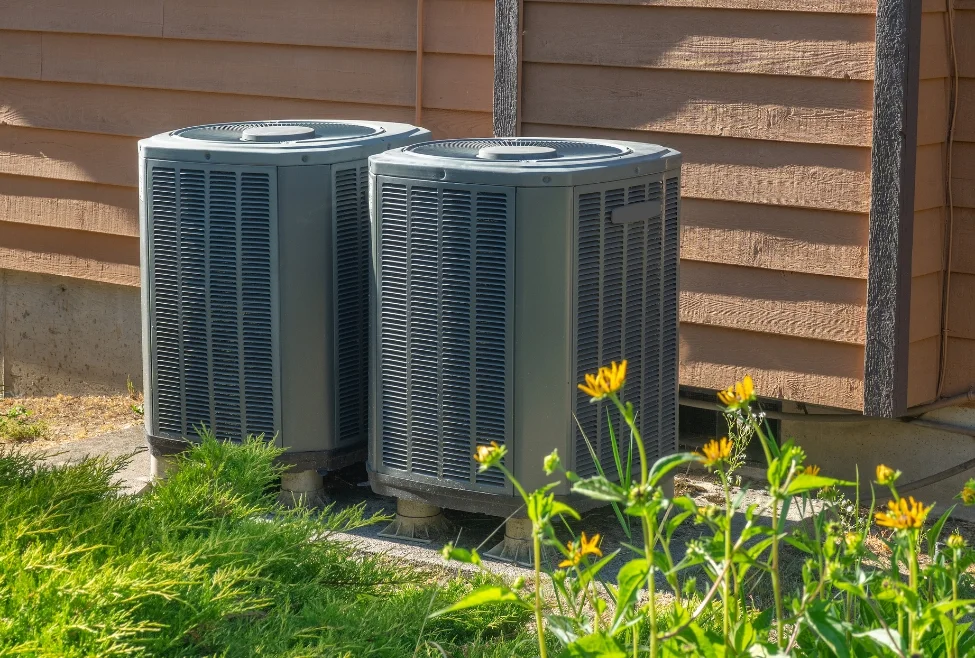
Conversely, during the sweltering days of summer, air conditioning units take center stage. These systems extract heat from the indoor air and release it outside, using refrigerants to cool the air circulated back into the room. Central air conditioners or ductless mini-splits are common choices, both designed to provide cold air on demand, ensuring your indoor environment remains a refreshing oasis against the summer heat.
However, ventilation sometimes doesn't get the attention it deserves. It plays a critical role in maintaining air quality and temperature regularity. Adequate ventilation ensures that stale indoor air is replaced with fresh air, helping regulate both temperature and humidity. This process prevents the buildup of indoor pollutants and excess moisture, which can contribute to unwanted biological growths, such as mold.
The integration of smart technology into HVAC systems is a game changer, enhancing both convenience and efficiency. Smart thermostats learn your preferences over time, optimizing energy usage based on your schedule and maintaining your desired comfort levels without constant manual adjustments. This not only leads to energy savings but also extends the lifespan of your HVAC equipment by preventing overuse.
Understanding the science behind your HVAC system's operations can empower you to make informed decisions, whether it's adjusting your thermostat for optimal energy savings or scheduling regular maintenance to keep your system running smoothly. At Hamilton Weiss Heating and Cooling, we are dedicated to ensuring you experience the pinnacle of indoor comfort.
In conclusion, indoor comfort is a complex yet fascinating achievement made possible through advanced HVAC systems. By managing your space’s temperature efficiently, these systems significantly enhance your quality of life. Whether you're warming up on a cold winter's night or cooling down on a blazing summer day, your HVAC system is hard at work, pulling the strings behind the curtain of your home's environment. Trust Hamilton Weiss Heating and Cooling to keep your system in perfect harmony, ensuring that you and your family enjoy the ultimate in indoor comfort all year round.
/filters:no_upscale()/filters:format(webp)/media/4d9e5fdb-e9a8-473c-a619-09e29ad82f06.webp)
/filters:no_upscale()/filters:format(webp)/media/b7b51504-40a0-406f-9eda-c8be03ba42c4.jpeg)