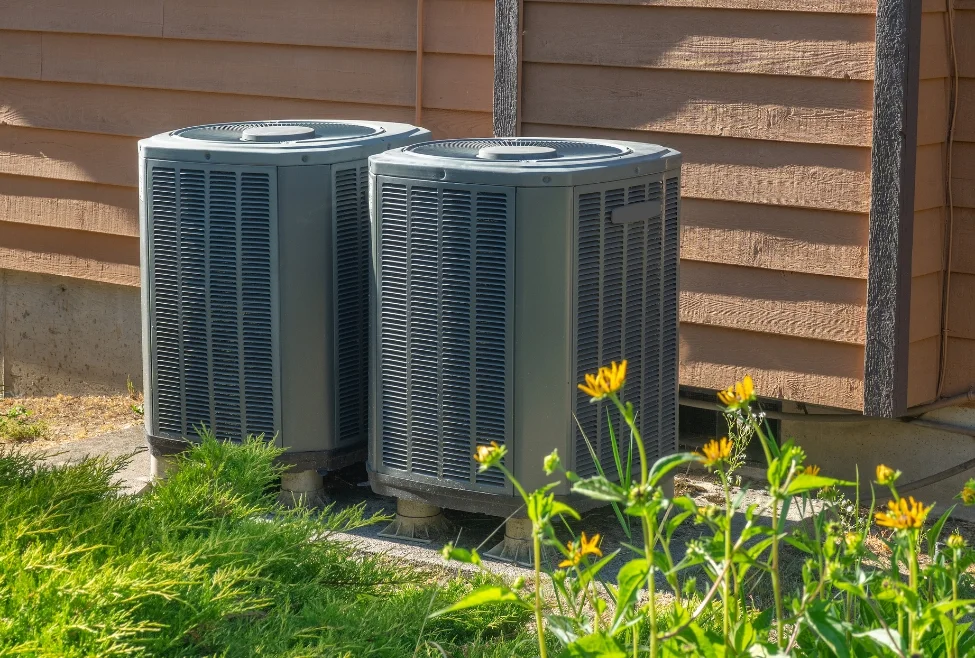
Top Myths About HVAC Systems: Separating Fact from Fiction Dec 29, 2025
One widespread myth is that closing vents in unused rooms will save energy and reduce heating costs. This theory might seem logical, but it can actually have the opposite effect. HVAC systems are designed to heat or cool your home based on a specific amount of airflow, and closing vents disrupts this balance. This disruption can lead to increased pressure in the ductwork, which may cause leaks and force the system to work harder, ultimately increasing energy consumption and utility bills.
Another prevalent misconception is that routine maintenance isn't necessary if the system appears to be working fine. Regular maintenance, however, is crucial to ensure the efficiency and longevity of your HVAC system. Even if everything seems to be operating smoothly, a professional tune-up can identify potential issues before they escalate into costly repairs. Consistent maintenance not only maintains system performance but can also extend its life, saving you from premature replacements.
Many people believe the bigger the HVAC system, the better it will heat or cool their home. This is a classic myth. An oversized unit can lead to rapid cycling, which means the system turns on and off frequently. This wears out the components faster and fails to adequately dehumidify the home in summer. The solution is to select the correctly sized system for your home, ensuring optimal performance and comfort.
The notion that thermostat location doesn’t impact system performance is another misunderstanding. The placement of your thermostat significantly affects its ability to accurately measure room temperature. Thermostats located in direct sunlight, near heat-producing appliances, or in drafty areas can provide inaccurate readings, causing the system to underperform or overcompensate. Strategic placement, in a central location away from influencing factors, ensures more consistent comfort and efficiency.
A common fallacy is that high energy bills always signal a malfunction in your HVAC system. While a faulty system can increase energy costs, it's not the sole factor. Poor insulation, drafty windows, and doors can equally contribute to higher energy usage. Before blaming the HVAC system, consider a comprehensive approach to reduce energy consumption, including sealing leaks, adding insulation, or even updating your thermostat to a programmable model.
Finally, some individuals assume that changing filters once a year is sufficient. Notable advances in filter technology and the demanding nature of modern systems mean that filters should be checked monthly and replaced at least every three months. A clogged filter reduces airflow, forcing the system to work harder and potentially leading to overheating and failure.
In conclusion, understanding the truth behind HVAC myths can significantly impact your system’s performance, efficiency, and lifespan. Hamilton Weiss Heating and Cooling is here to offer expert advice, ensuring your home remains comfortable year-round. By debunking misconceptions, we empower our clients to make informed decisions about their heating and cooling needs, reinforcing our commitment to exceptional service and peace of mind. For more personalized guidance, don't hesitate to contact us today.
/filters:no_upscale()/filters:format(webp)/media/4d9e5fdb-e9a8-473c-a619-09e29ad82f06.webp)
/filters:no_upscale()/filters:format(webp)/media/b7b51504-40a0-406f-9eda-c8be03ba42c4.jpeg)