Understanding Heat Pumps: Energy Efficiency and Cost Savings for Your Home Dec 19, 2025
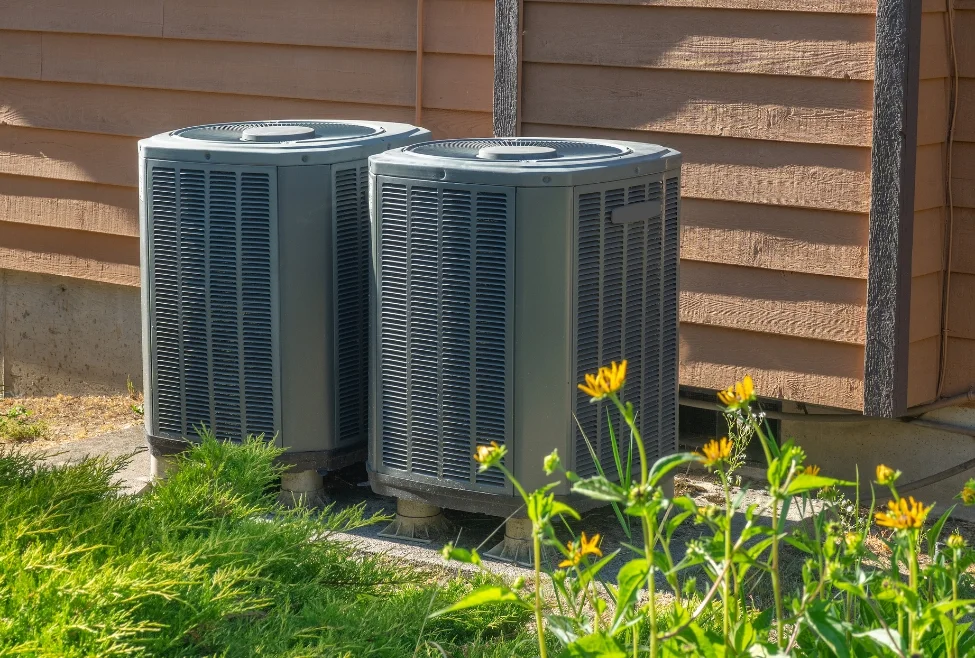
The concept behind heat pumps might initially seem complex, but at its core, it is a straightforward system designed for superior energy efficiency. Unlike traditional furnaces and air conditioners that generate heat or cool air, heat pumps transfer heat from one place to another. In the winter, they extract heat from the outdoor air and move it indoors. In summer, the process reverses, allowing the heat pump to act as an air conditioner by removing heat from indoors.
One of the primary advantages of heat pumps is their energy efficiency. Traditional heating systems can consume large amounts of energy, contributing to higher utility bills. Heat pumps, on the other hand, use electricity more efficiently by transferring heat rather than generating it. Recent advancements in technology have further increased the efficiency of heat pumps, making them an attractive option for energy-conscious homeowners. Many modern heat pumps also come with features like variable-speed compressors and smart thermostats, which optimize performance and reduce unnecessary energy use.
When it comes to cost savings, the initial installation of a heat pump might appear higher compared to conventional systems. However, the long-term savings are substantial. Homeowners can expect to save up to 50% on their heating bills compared to electrical resistance heating, oil, or propane systems. Furthermore, because heat pumps consolidate both heating and cooling functions, maintaining and servicing a single system can be more cost-effective and simpler, reducing long-term operational costs.
Beyond energy efficiency and cost savings, heat pumps offer additional benefits that enhance overall home comfort. They provide consistent heating and cooling throughout the home, eliminating the hot and cold spots often experienced with other systems. Their operation is also quieter, ensuring a comfortable environment without the noise typically associated with air condition systems or furnaces. Moreover, heat pumps help in improving indoor air quality. Many modern systems contain filters and humidification features that reduce dust, allergens, and moisture levels, contributing to a healthier living space.
In environmental terms, heat pumps offer a greener alternative to traditional HVAC systems. By relying on electricity rather than fossil fuels, they reduce carbon footprints and help in the transition towards renewable energy sources. This not only benefits the planet but can also make homeowners eligible for federal tax credits or local rebates, further enhancing cost savings.
In conclusion, heat pumps represent an efficient, cost-effective, and environmentally friendly option for home heating and cooling. At Hamilton Weiss Heating and Cooling, we are committed to helping you choose the best HVAC solution tailored to your needs. Whether you're upgrading an existing system or installing a new one, heat pumps offer dependable performance and long-term savings. Contact us today to learn more about how a heat pump can transform your home and reduce your energy bills effortlessly. Reach out to our expert team for a consultation, and start your journey towards a more efficient and comfortable home environment.
/filters:no_upscale()/filters:format(webp)/media/4d9e5fdb-e9a8-473c-a619-09e29ad82f06.webp)
/filters:no_upscale()/filters:format(webp)/media/b7b51504-40a0-406f-9eda-c8be03ba42c4.jpeg)